
20852 customer reviews
Sparkling wine

1. Different production methods
The traditional method
The traditional method
The traditional method involves bottling bubbles. It is the result of adding a tirage liqueur (a mixture of wine, yeast, and sugar) to a base wine (dry, still wine) that has been bottled with a temporary stopper. The yeast reacts with the sugar in this liqueur to produce alcohol and carbon dioxide.
To remove dead yeast at the end of fermentation, bottled wines are stored for varying lengths of time depending on the region. This deposit is expelled from the bottle (disgorging) and the addition of liqueur d'expédition determines the wine's sugar content. The wine is then given its final cork.
The traditional method
This method is similar to the traditional method but delicate. The base wine is partially fermented, cooled, and bottled. Alcoholic fermentation then continues in the bottle, without the addition of liqueur de tirage, producing the carbon dioxide in the bubbles.
To remove dead yeast at the end of fermentation, bottled wines are stored for varying lengths of time depending on the region. This deposit is expelled from the bottle (disgorging). The wine is then given its final closure. Unlike the traditional method, the wines are not dosed; it is the natural sugar content that will define the style of the wine.
The closed tank method (or Charmat method)
Unlike ancestral and traditional methods, where bubbles are formed in the bottle, with the closed tank method, bubbles are formed in the tank.
A tirage liqueur is added to the base wine in pressure-resistant tanks at a temperature of 20°C. After 10 days of secondary fermentation, the sparkling wine is filtered and returned to the tank with its carbon dioxide before being bottled.
2. Grape varieties
Depending on the style of sparkling wine, certain grape varieties are more suitable than others.
Muscat is commonly found in highly aromatic sparkling wines.
For non-aromatic sparkling wines, Chardonnay, Chenin Blanc, Sauvignon Blanc, Sémillon, Pinot Noir, Pinot Meunier, and Pinot Blanc are often preferred.
3. Regions producing sparkling wines
The most prestigious region for sparkling wine production is undoubtedly Champagne.
His production method has inspired many wine-growing regions both in France and abroad: France with Crémants d'Alsace, Bordeaux, Burgundy, Limoux, and Loire; Spain with Cava; South Africa with the Cap Classic method; and others.
Italy, meanwhile, is known for its Prosecco, produced using the closed tank method.
4. Some legendary sparkling wines
The birthplace of prestige and effervescence, Champagne is proudly represented by legendary houses such as Billecart-Salmon, Bollinger, Dom Perignon, Krug, Louis Roederer, Moët & Chandon, Ruinart, Veuve Cliquot, and more.
5. Sparkling wines and food pairings
Sparkling wines are generally associated with festive occasions. Fruit or cream desserts, refined seafood and shellfish dishes, and foie gras are therefore ideal accompaniments to sparkling wines.
Buy the best sparkling wines in private sales!
Rated site20852 reviews
-20€
from €99 on your first order
Sparkling wines recently featured in a private sale on 1jour1vin

Champagne Drappier - Brut Nature Pinot noir zéro dosage
Champagne|Sparkling wine

More info

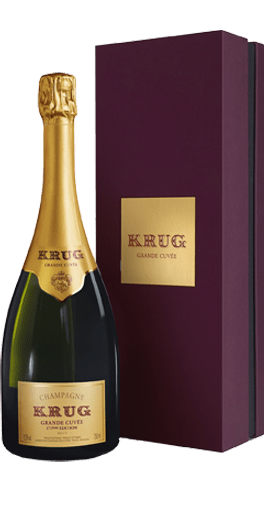
Champagne Krug - Grande Cuvée 173ème Édition - Coffret luxe
Champagne|Sparkling wine
More info
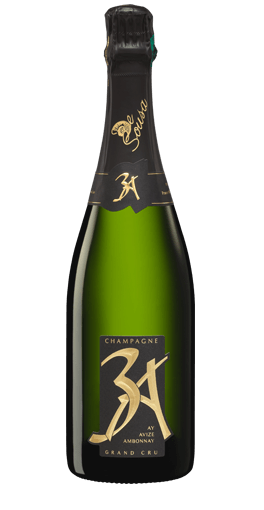
Champagne De Sousa - Grand Cru Extra Brut Cuvée 3A
Champagne Grand Cru|Sparkling wine|Organic

4.1/5(8 avis)
More info
Champagne De Sousa - Grand Cru Blanc de Blancs Extra Brut Réserve
Champagne Grand Cru|Sparkling wine|Organic
4.1/5(69 avis)
More info


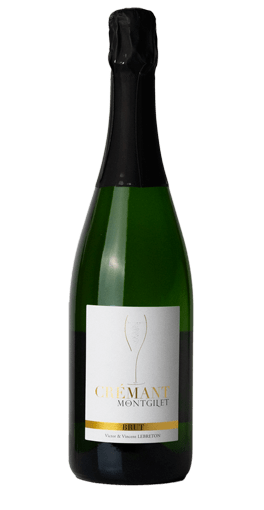
Domaine de Montgilet - Crémant de Loire 2020
Crémant de Loire|Sparkling wine
More info
François Chidaine - Montlouis sur Loire Brut Nature 2022
Montlouis-sur-Loire|Sparkling wine
More info

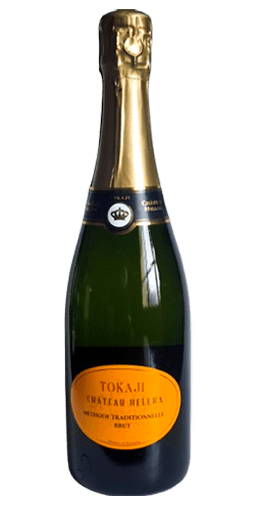
Château Hellha - Tokaji Brut Méthode Traditionnelle (sec)
Tokaji|Sparkling wine
More info
Loading...